
Space science
What Is a Supermassive Black Hole?
Supermassive black holes contain millions to billions of times the Sun's mass and are found at the centers of many large galaxies. Their enormous mass distinguishes them…
Browse ScienceInfo articles and explainers related to Supermassive Black.
34 published items.
Supermassive black holes contain millions to billions of times the Sun's mass and are found at the centers of many large galaxies. Their enormous mass distinguishes them…
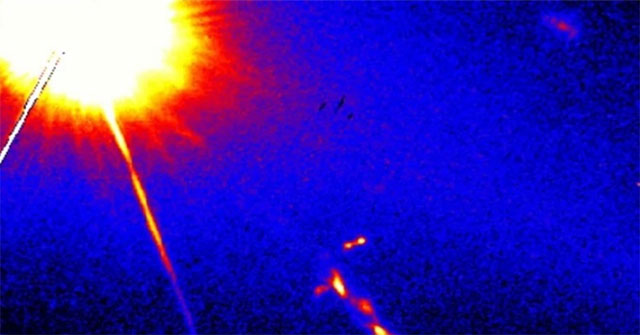
The hottest place in the universe may be the quasar 3C273, with an estimated temperature of around 10 trillion degrees Celsius.
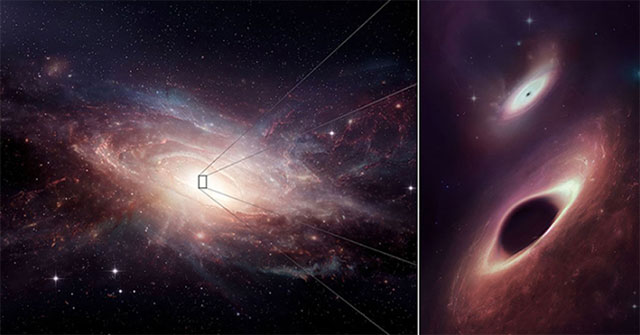
Black holes are a very scary astronomical object and cannot be observed directly, but they can be detected using other physical solutions.
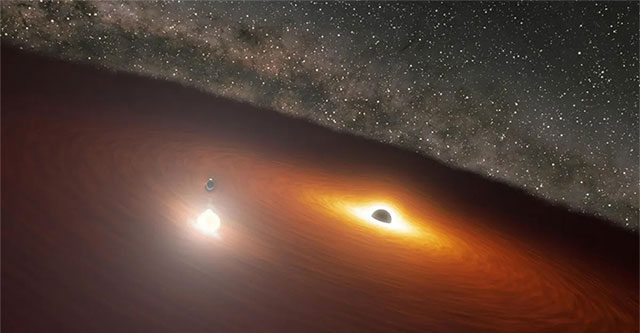
The puzzling objects recently recorded by the James Webb telescope may have existed since the birth of the universe.
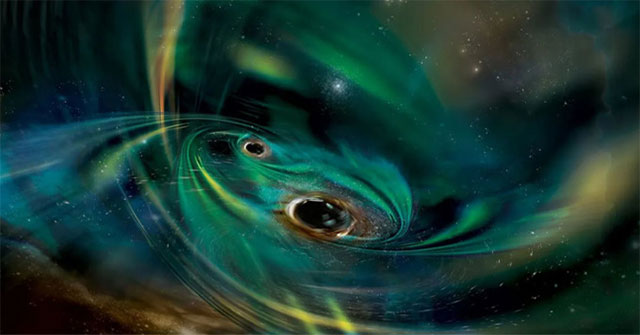
Astronomers have discovered two supermassive black holes in the galaxy 2MASX J21240027+340911 orbiting each other closer and closer, both sucking in interstellar matter.

Scientists detected unusual signals that resembled flashing lights,
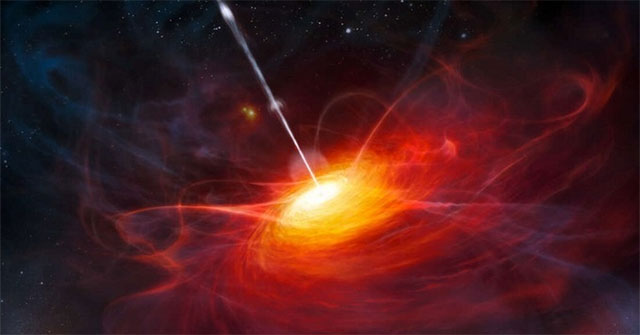
At present masses, fast-growing black holes can only detect a star the size of the Sun every day, according to researchers' calculations.
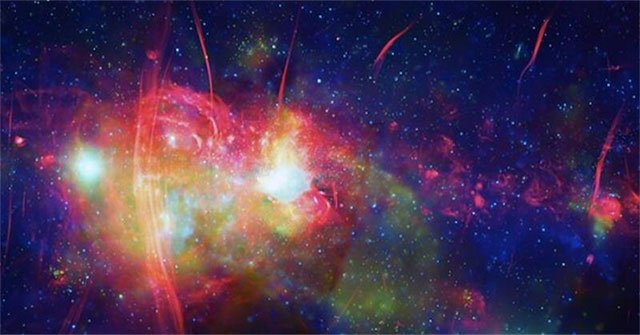
NASA on March 23 released a stunning image of the center of the Milky Way galaxy, where there is a supermassive black hole Sagittarius A *.
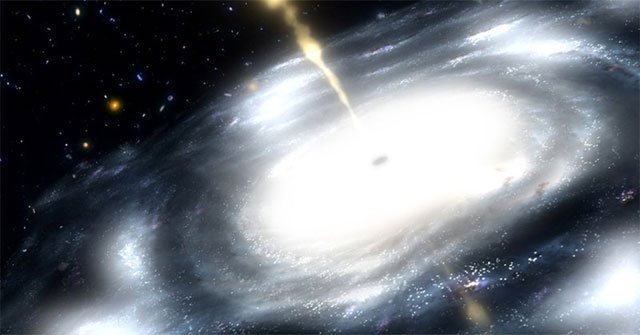
Thanks to the phenomenon of gravitational lensing, astronomers have observed the activity of a black hole in the center of the galaxy 11 billion light-years away.
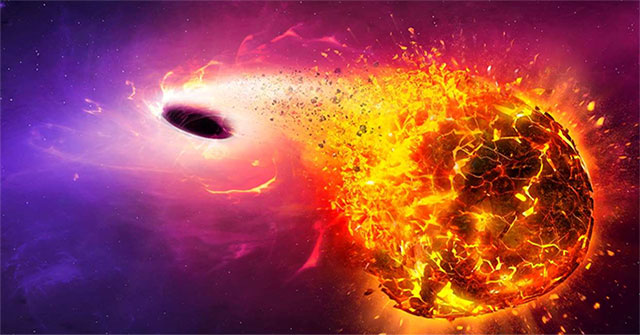
Scientists have revealed what they believe to have 'fed' supermassive black holes in the early universe.

3.5 million years ago, a huge explosion had 'flashed' from the center of our Milky Way galaxy. The radiation from the explosion was felt 200,000 light-years away.
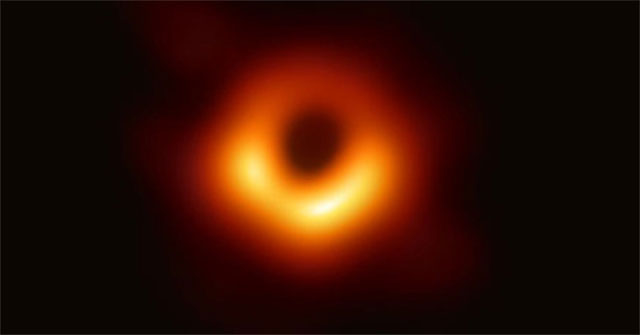
Astronomers will use a virtual telescope larger than Earth to record a supermassive black hole in the center of the Milky Way in real time.
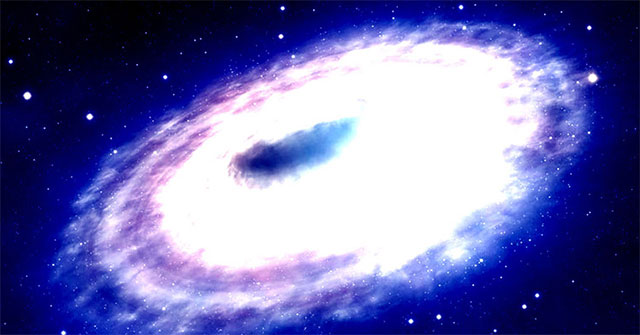
The supermassive black hole in the center of the Milky Way swallows more matter and glows abnormally.
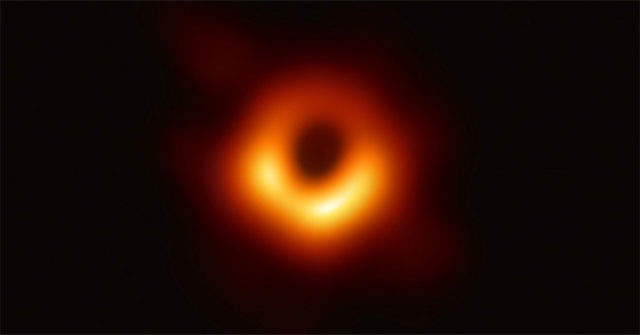
The giant black hole in the center of our Milky Way galaxy is swallowing matter at unprecedented speed.
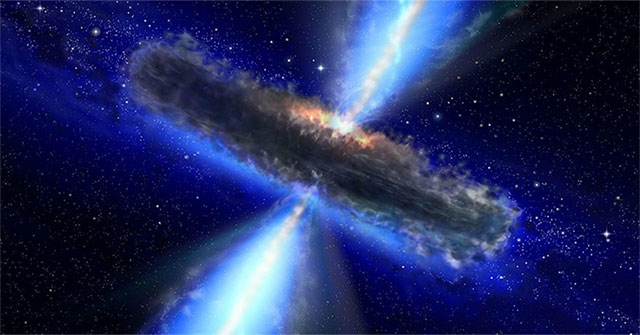
UFOs (unidentified flying objects) are identified as air bubbles that flatten inside galaxies.